
Nightclubs may employ bartenders who know their stuff and have alcohol policy written down, and an experienced manager for each shift. Those safeguards may look reassuring in a manual for employees.
Imagine the night of a Saturday that’s busy, with several bartenders serving the exact same group of patrons, while a floor manager deals with the crowd and customers who are ordering drinks from various venues. Who is accountable for recognizing that a person shouldn’t be served alcohol?
In a dram shop lawsuit, this question could be more insightful than determining how many drinks were sold.
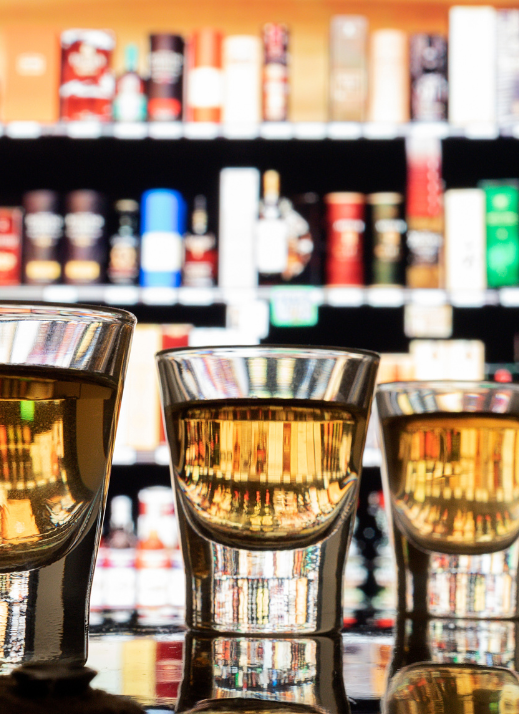
For starters, staff are able to recognize the indications of an overservice investigation.
Dram Shop expert witnesses examine whether the alcohol-service decisions were in line with industry norms and the real-life circumstances employees encountered.
A customer’s eventual intoxication does not by itself prove that a bartender was aware of recognizable warning signs during service. The investigation needs to consider the customer’s behavior, the timing of service, staff observations and evidence available.
Surveillance footage can uncover a lack of ability to walk, unusual movements, or interactions with employees. Statements from witnesses can provide additional information, but their recollections could differ. The important distinction is between what the investigators learn after an incident and what staff reasonably could have recognized in the moment.
One tab doesn’t necessarily mean One Drink
Interpreting point-of-sale reports requires knowledge of hospitality. A customer could buy several glasses of beer for friends. Many people can be involved in a bottle-service transaction. Separate bartenders could take orders and not know what the previous employee did.
An Alcohol expert witness can examine transaction times, beverage quantities, surveillance recordings, and staffing records to develop a more complete service timeline.
The analysis could reveal moments when employees had the chance to detect intoxication and intervene. It may also identify areas where the evidence isn’t sufficient to establish who drank particular drinks.
The Floor is where the training takes place.
The accreditation of employees is essential however it doesn’t instantly determine how a location worked during a specific shift.
Investigative investigations may determine whether or not employees are properly trained, if they understand the intervention procedures and whether managers have strengthened policies.
Preston Rideout brings more than three decades of experience in hospitality operations in this field, which includes bartending, nightclub management, and consulting on beverage programs.
He also holds 112 seller-server certifications covering 48 states and the District of Columbia, according to his professional qualifications.
This allows him to look at the training that employees received as well as the operational decisions that they faced. Bartenders, for example might spot an issue but do don’t know how to reach management or make a record of a decline of services. The adequacy of supervision can therefore become just as important as the individual employee’s actions.
Insurance investigations might ask similar questions.
A Liquor liability specialist witness usually will address the same operational problems for coverage counsel and insurers as well as defense lawyers. While the language used may differ, the underlying investigation concerns the service of alcohol and the conduct of staff.
The thorough review could include incident reports as well as written policies, videos employee schedules, records of certification. The expert’s responsibility is not to automatically support the party who is retaining the expert. The expert must clarify what the data supports, describe relevant practices in the industry and be aware of any limitations.
Experience is the reason for the decisions that led to the records
Rideout has been a witness in alcohol-related and hospitality issues in 11 states, collaborating with both plaintiff and defense counsel.
His research covers bars, nightclubs, hotels and other establishments in addition to resorts, casinos, and other venues where alcohol is offered on a regular basis. Every environment faces its own specific supervisory and staffing challenges.
A bartender who works in a restaurant’s small dining area may be better able to observe clients than an employee working at a counter in a nightclub. Understanding these differences allows you to put the evidence into its correct operational context.
The credibility of a person’s opinion isn’t filled with assumptions
Dram shop laws vary by jurisdiction. Expert statements from operational experts is not a substitute for a legal decision. The most accurate analysis explains what employees did and what the accepted service practices required, and which conclusion the evidence supports.
Sometimes, the records reveal that a deviation has been made from the standard procedure. Sometimes, the records show that employees adhered to appropriate procedures or left important questions unanswered.
This distinction is essential for lawyers who have to evaluate allegations involving alcohol. A professional’s opinion that is useful does more than simply describe the event. It helps the court know what was going on inside the establishment before the night ended.