
For a long time the concept of edge computing was considered an expensive and complicated technology that was typically reserved for large corporations that had specialized hardware. Today, that perception is shifting. Companies all over the UK are discovering that flexible and cost-effective systems can produce effective results with minimal effort.
The main reason for this change is the emergence of platforms that combine ease of use with scalability. The edge computing platform UK companies can now count on has a distinct appearance from the conventional set-up. To avoid relying on central servers, organizations are moving the processing closer where data is generated.
This upgrade improves the speed of decision making, reduces latency and allows for decisions in real-time.
From Small Devices to Enterprise Systems
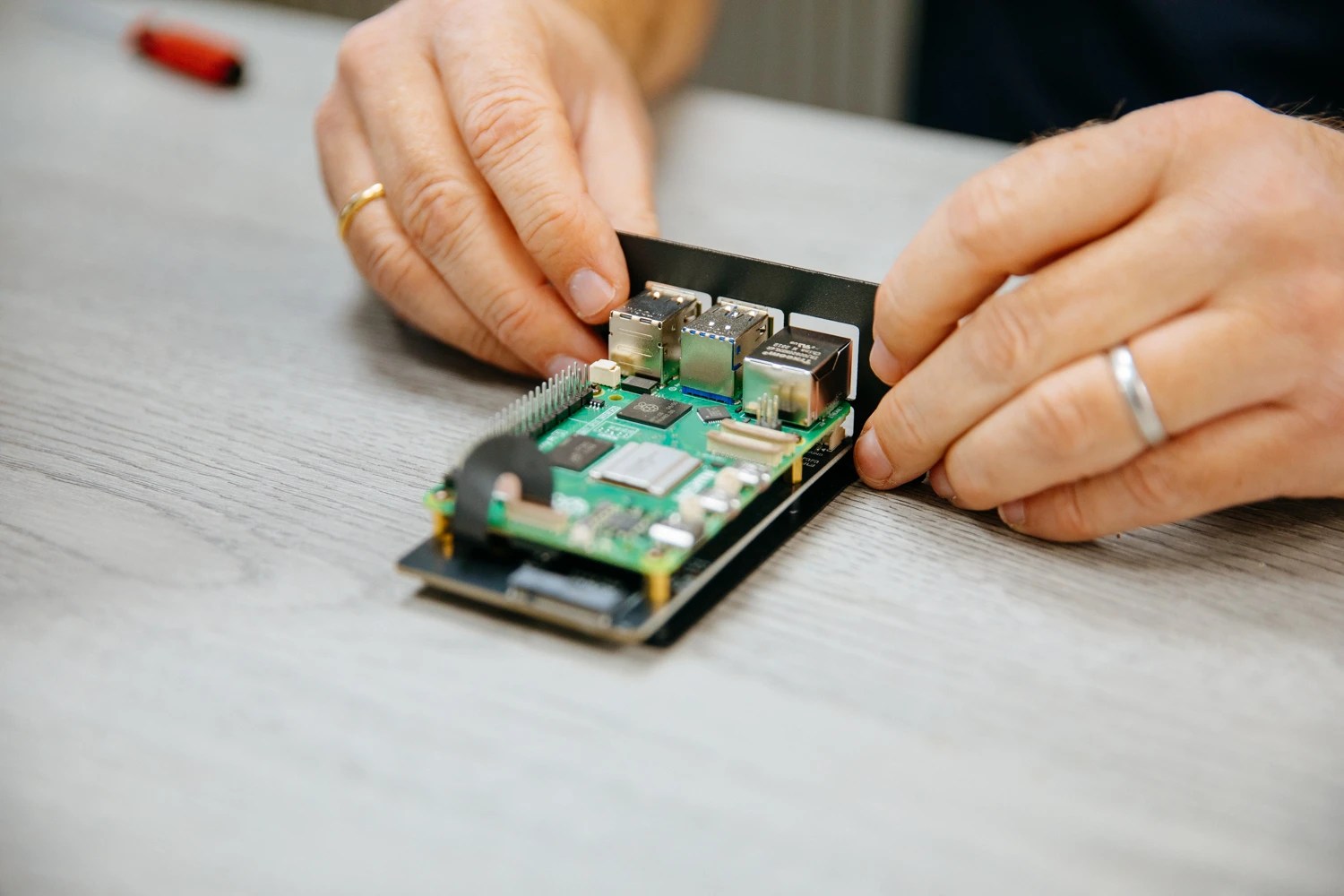
The Raspberry Pi is far from being just a learning tool. What was once seen as a device for the hobbyist is now used to power real-world infrastructure in sectors like manufacturing, logistics, and smart environments.
ScalerPi is a platform that enables businesses to transform one unit into a integrated system. A Raspberry Pi cluster production use model allows multiple units to work together, creating a distributed system capable of handling complex workloads.
The technique allows for scaling from simple prototyping to a large number of devices all working together.
The Edge of Kubernetes Kubernetes to the Edge
Modern infrastructure usually rely on containerized applications as well as orchestration tools. Kubernetes is now the standard for managing these environments, however running it on the edge poses new problems.
An on-premise solution for kubernetes allows you to maintain control while benefitting in the flexibility of container orchestration. Businesses can deploy and manage their own systems rather than entirely relying on cloud-based providers.
This allows for a balance between speed and control, allowing organizations to tailor their infrastructures to meet specific operational needs. ScalerPi can bridge the gap by merging modern software practices with hardware knowledge, making the most advanced deployments much more simple.
Why Data Sovereignty is Increasingly Important
Businesses are increasingly aware of the places their data is being stored and processed as the regulations for data processing become more complex. In many instances the use of cloud services from outside providers raises questions about control and compliance.
A cloud that is sovereign UK businesses can adopt can help protect data from national borders while maintaining high performance. This helps ensure that sensitive data is protected and is in compliance to local regulations.
Integrating edge computing in a sovereign infrastructure can enable companies to achieve the flexibility and transparency they require. Data is processed near its origin while still being under control.
Simple deployments for complex systems
The management of large numbers devices is a major problem for edge computing. As deployments expand the need to maintain security, performance as well as consistency become more challenging.
ScalerPi offers a complete stack solution that includes equipment supply, device management as well as consultancy. This model integrates all of the above and allows teams to focus on their projects, not the infrastructure that runs them.
A solution for edge computing that UK companies can trust doesn’t require continuous manual input. Instead, it should have tools that automate procedures, track performance, and ensure reliability across all devices.
Building Systems that Scale with Confidence
To go from a small prototype environment to a production-ready environment it is essential to plan carefully. Each step presents new challenges, ranging from selecting the right equipment to software integration to ongoing maintenance.
A Raspberry Pi cluster production use strategy helps smooth this transition by providing a consistent system for growth. Businesses can grow according to their own schedule by expanding their devices or making adjustments without disruption to the system.
This flexibility is especially valuable when businesses are exploring innovative technologies or entering new markets.
A Future of Flexibility and Control
The future of infrastructure is moving towards systems that are open as well as flexible and efficient. Businesses don’t want bound by rigid systems that hinder innovation.
Tools such as a Kubernetes on-premise solution or a UK sovereign cloud service give companies more control over data and operations. Together with the scalability provided by Raspberry Pi clusters these technologies provide a solid foundation for the long-term viability.
Moving forward With Edge Innovation
Edge computing is now an efficient solution to some of the problems we face today. Through the combination of affordable hardware and modern software, companies are able to create systems that are effective and powerful.
ScalerPi helps businesses bridge the gap between physical devices and cloud technology. It allows edge computing to be accessible to all organizations through well-thought out design, reliable deployment, and a flexible structure.
As companies increasingly explore the potential benefits distributed systems offer, their ability to scale effectively and safely will determine the success of their venture in the years to come.