
If you’ve ever been asked to undergo an MRI scan, CT scan or X-ray by a doctor you may be thinking why this particular procedure was suggested. Each of them produces images of the processes that are taking place inside the body. Why can’t they be interchangeable?
Modern diagnostic imaging works more like tools in a toolbox. Different technologies provide data in different ways and the best technique to apply depends on the part of the body is being examined and the question that needs to be answered. The Wolfsburg Diagnostic Centre provides a variety of imaging technology to accommodate examinations with different diagnostic needs.
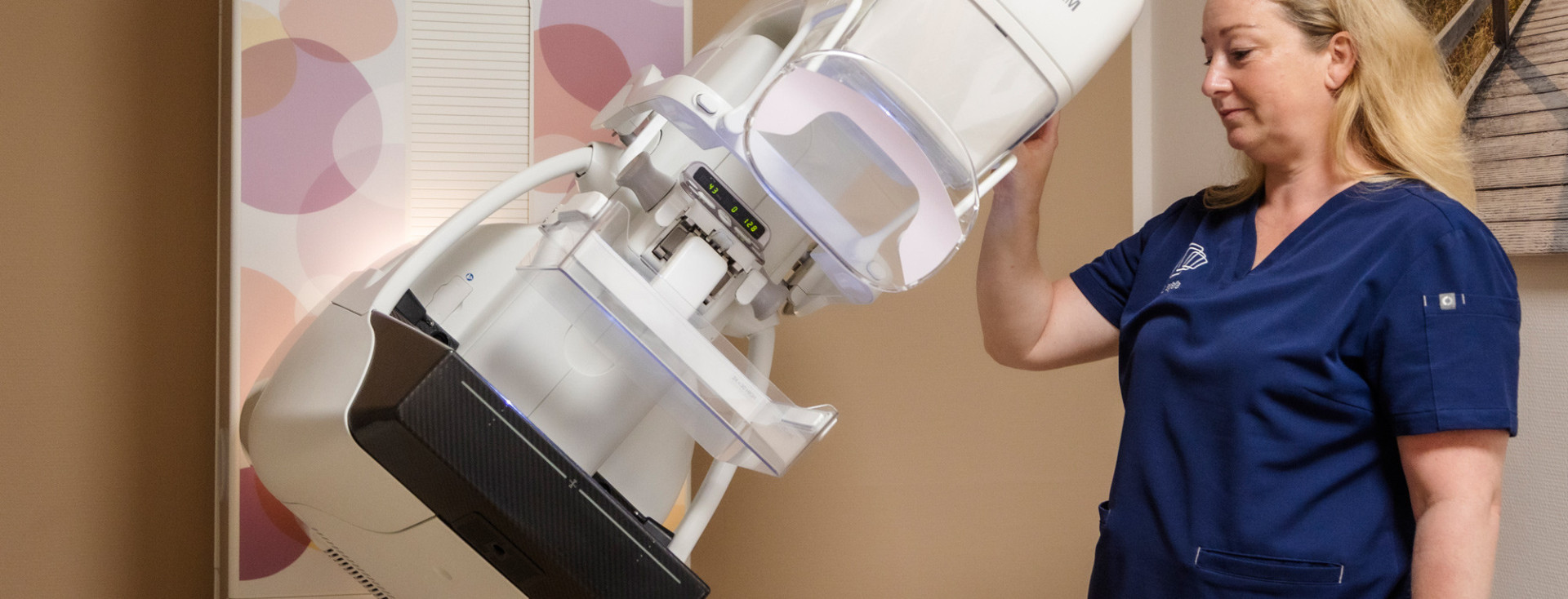
Image credit: diagnostikzentrum-wolfsburg.de
MRI Does not utilize ionizing Radiation to View the Body
Magnetic resonance imaging, also known as MRI utilizes radiofrequency technology and magnetic fields instead of ionizing rays for creating detailed images. MRI is a method to see soft tissue organs, joints, and various internal structures. Patients suffering from joint issues like arthritis may require additional information beyond what can be obtained with a standard Xray.
The Wolfsburg Diagnostic Center offers prostate Whole-body MRIs and MRIs for the prostate. These applications are based on MRI’s ability of producing detailed images without exposing patients to with ionizing radiation.
CT Creates Detailed Cross-Sectional Images
Computed Tomography is an alternative imaging method. The CT examination uses X-rays and computer processing to create precise cross-sectional images of your body. Rather than producing a single normal image, CT allows internal anatomy to be observed in slices, providing physicians with a different method of examining specific medical issues. For more information, click here röntgenreizbestrahlung in der nähe
The center makes use of modern low-dose CT technologies that aim to reduce radiation exposure while also obtaining the necessary diagnostic data. CT imaging is used to aid in the treatment. Periradicular Therapy, commonly known as PRT employs CT guidance to pinpoint injections to treat nerve tissue that is irritated.
The X-ray is still doing an important function
Advanced technology hasn’t made conventional radiography obsolete. Digital X-ray diagnostics provide images in a short time and are still useful for a variety of tests, especially when doctors must evaluate bones or other structures. Modern digital systems can also work with less radiation when compared to older methods.
The most sophisticated test may not be the most effective. It is more crucial to select a technology that best answers the clinical questions than the newest machines.
Breast Imaging Technology Has its own special technology
Mammography is a screening tool specifically designed for breast cancer. In addition to conventional mammography however, the Wolfsburg Diagnostic Center offers 3D mammography, also known as tomosynthesis. The technology generates multiple images that can then be transformed into a layer view of breast tissue. Because different areas of the body present distinct diagnostic issues, special imaging is crucial.
An image could be more effective with an old image
A current scan provides data on the human body in the present. A comparison of a previous scan to a current one can be equally helpful.
When earlier images and findings are available, doctors can evaluate changes over time rather than interpret the present examination in isolated. This is the reason that patients are encouraged whenever possible to bring prior images and findings from medical imaging at their appointments.
It is best for patients to grasp the technology when they’re able to utilize it.
The Wolfsburg Diagnostic Center combines MRI as well as CT with digital X-rays, 3D mammography and image-guided treatments. The focus is on patient communication and coordination.
Videos and patient-specific explanations can be found to assist patients understand the medical procedure. The center is also focused on the coordination of schedules and reduces wait durations. Modern diagnostic medicine relies on sophisticated equipment, but scanning shouldn’t be felt as if it’s a mystery technical procedure.
Knowing the goal of a specific examination and what can be expected will help patients to feel more confident. They might also realize that the latest medical technology is more understandable.